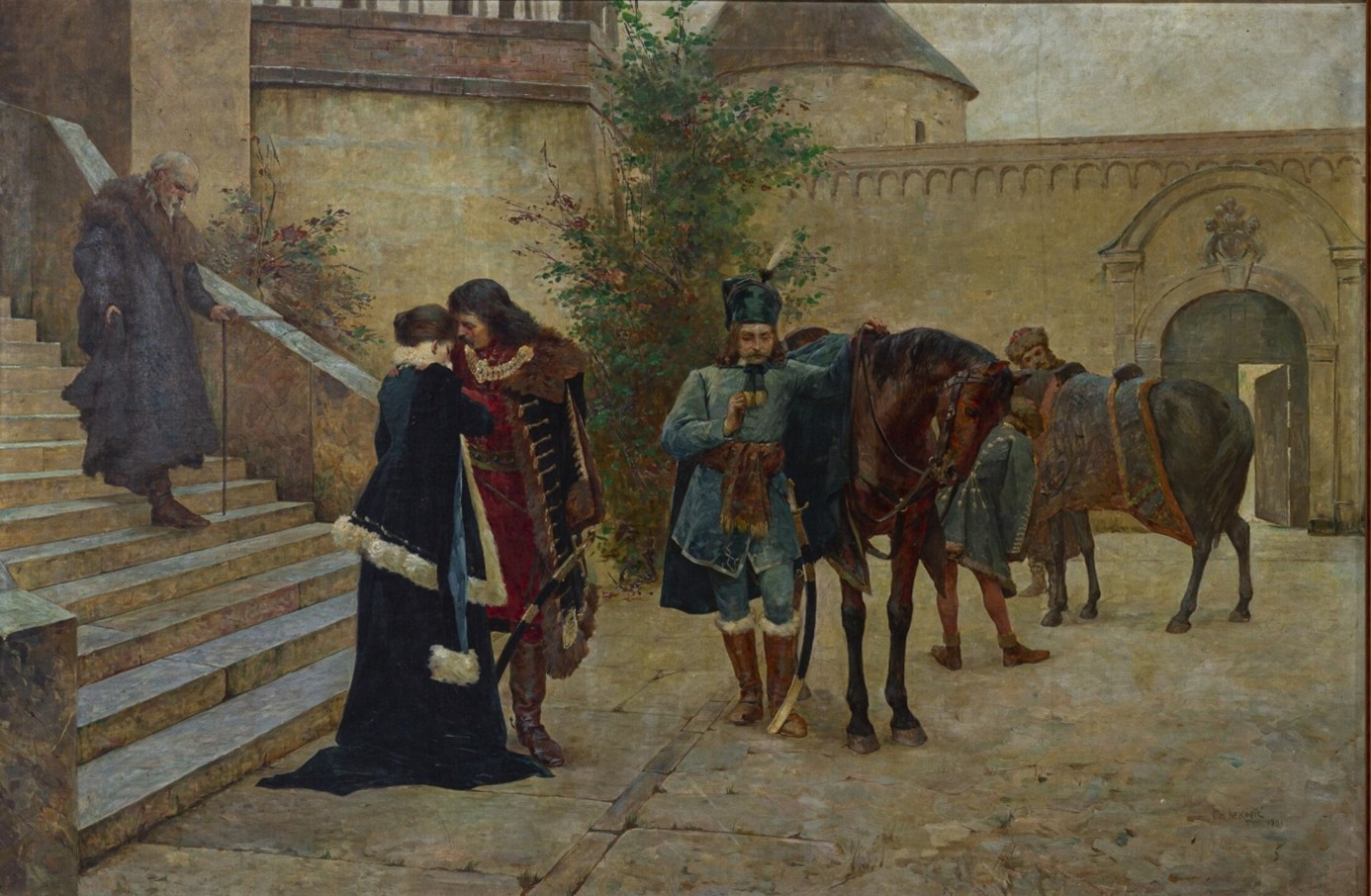
The Zrinski family was one of the most prominent noble dynasties in Croatian history remembered not only for their political influence but also for their major role in defending the border regions of Central Europe as well as their impact on culture art and military architecture.
The rise of a powerful family. Who were the Zrinski really?
Their roots trace back to the medieval Šubić family from Bribir one of the most powerful aristocratic lineages in the Croatian lands. After losing some of their earlier strongholds the family settled around Zrin from which they adopted the name Zrinski. Over time this name became closely associated with power military leadership and cultural prestige.
From the 16th century onwards the Zrinski rose into the highest circles of the Croatian Hungarian and Habsburg world. Their rise was shaped by strategic marriages land ownership and above all military service. Living in a border region constantly threatened by Ottoman expansion they wrote their history in numerous battles and became defenders of Croatian and Hungarian frontiers.
Their path into the highest ranks of the Habsburg world began with Nikola III while Nikola IV Šubić Zrinski played a decisive role in transforming the family from prominent Croatian nobles into members of the broader political elite and international aristocracy of the Habsburg Monarchy and this part of Europe.
Among the most famous members of the family was Nikola Šubić Zrinski the heroic defender of Szigetvár in 1566 whose death entered Croatian and Hungarian historical memory as a symbol of bravery and sacrifice. Later generations including Juraj V Zrinski Nikola VII and Petar IV further strengthened the family’s reputation through military and political service in the 17th century.
In later generations their influence became so visible that even Ottoman observers described the territory under their control almost as a separate region. By the mid 17th century the Zrinski were considered the most powerful Croatian noble family with estates across Croatia Slavonia and southwestern Hungary with their center in Međimurje and Čakovec.
Contemporary records describe the attacks of Nikola VII Zrinski on Ottoman positions as so successful that the very name Zrinski inspired fear among Ottoman opponents.
Power and aesthetics. How the Zrinski shaped art and culture.
The Zrinski furnished their courts and fortresses with paintings sculptures maps decorated furniture and other objects of artistic and representative value. The walls of their fortresses in Bakar Kraljevica Novi Ozalj and Čakovec were adorned with paintings of various motifs while it is particularly interesting that marble statues were recorded in Kraljevica and that in Ozalj there were large paintings battle scenes and a cycle of Sibyl images.
At that time as in other European courts visual art played an important role in shaping the public image of the family which is why portraits played a key role in maintaining elite status since only the wealthy could afford them. Thus portraits of Nikola Petar Adam and other family members have been preserved or recorded some of which were created based on engravings by Elias Widemann from the mid 17th century.
The Čakovec court from 1660 is particularly valuable as it shows a richly equipped space filled with weapons a library gallery contents and gardens. The court was full of paintings of heroic deeds portraits of kings princes and famous figures and a library full of books.
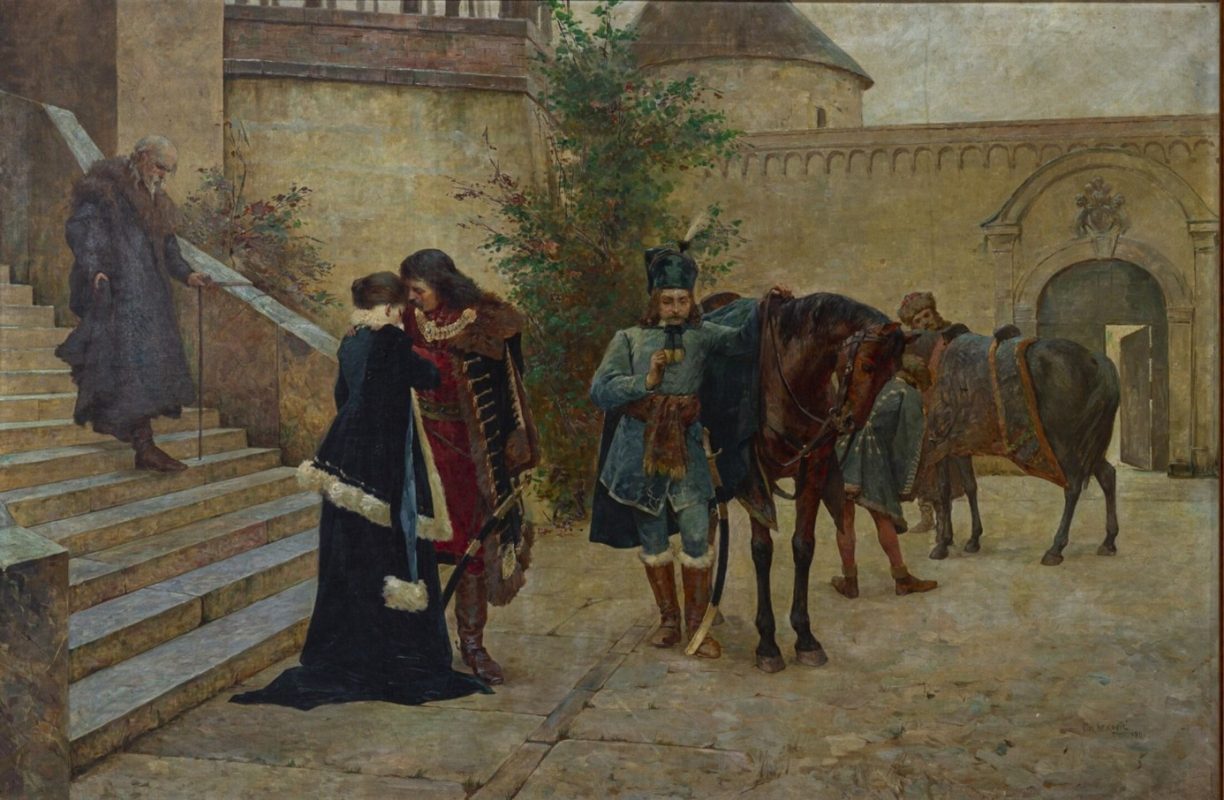
Nikola and Petar Zrinski had a strong interest in illustrated books. Particularly important is the artistic design of the work Adrianskoga mora Sirena whose edition was illustrated with engravings. Also very interesting is Katarina Zrinska the wife of Petar Zrinski Croatian banica and sister of Fran Krsto Frankopan who is associated with the manuscript book Sibila. This work combines text symbolism illustration and noble culture of entertainment and education and at the same time shows that women from the Zrinski family actively participated in the cultural and artistic life of their time.
Following the paths of the Zrinski through castles and fortresses that tell their story
Čakovec as the center of Zrinski power in northern Croatia
Stari grad Čakovec is the most valuable cultural historical monument of Međimurje and one of the most important traces of the presence of the Zrinski family in northern Croatia. Its origins date back to the second half of the 13th century when it likely existed as a wooden fortification and was named after Čak from the Hahold lineage.
A particularly important turning point occurred in 1546 when King Ferdinand I of Habsburg granted Međimurje to Nikola IV Zrinski of Szigetvár. This made Čakovec part of the estates of one of the most distinguished Croatian noble families.
Five generations of the Zrinski governed Međimurje and it was they who transformed the old town into a strong lowland Renaissance fortress. Due to the constant threat of the Ottomans they built a defensive system on the Mura River while within the walls a rectangular palace with an inner courtyard was constructed. As the Zrinski were not only military leaders and bans but also builders poets humanists and lovers of science and art they gave the old town additional cultural value.
After the fall of the Zrinski Frankopan conspiracy the Čakovec estate came under the administration of the Royal Chamber and later other owners. During the 18th century the complex was restored especially after the devastating earthquake of 1738.
Today Stari grad Čakovec is a monument complex of the highest category and the central memorial space of Međimurje and its walls bastions palace and park still form the historical heart of the town of Čakovec.
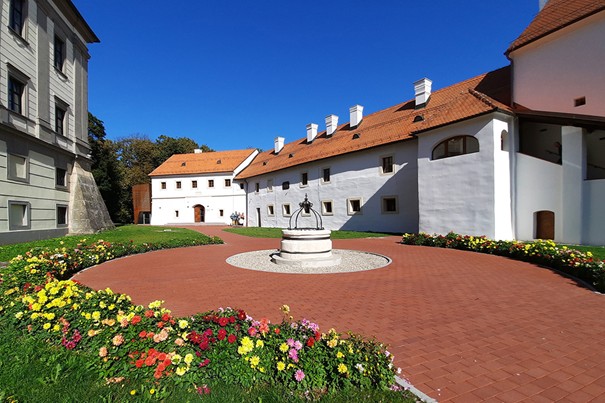
Čabar as a blend of castle iron industry and secret underground passages
The Zrinski castle in Čabar was built in the 17th century by Petar Zrinski although the family had inherited the estate after 1572. Located in the center of Čabar the castle is designed as a complex of four buildings around an inner courtyard with two towers connected by a defensive wall.
From the original structure parts of the defensive walls towers and ground floor vaults have been preserved while the rest was remodeled in the 19th century. Alongside the castle the Zrinski developed strong economic activity building an iron smelter in 1651 and a forge in 1657 as well as sawmills and mills.
A particularly interesting detail is the story of a secret tunnel which allegedly led from the ground floor to the Tropetarska rock above Čabar and served as an escape route in case of danger. Although there is no written evidence local tradition gives this place a sense of mystery.
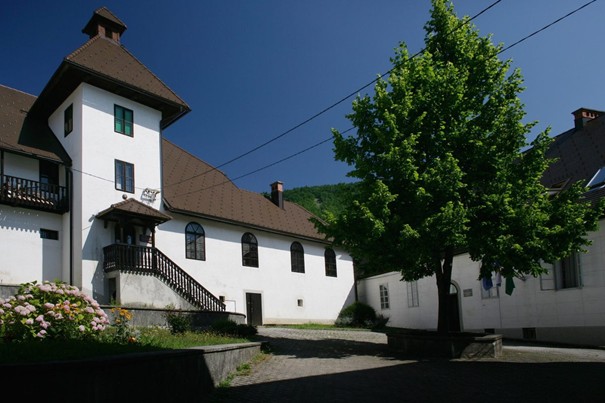
Brod na Kupi as a strategic fortress at the crossroads
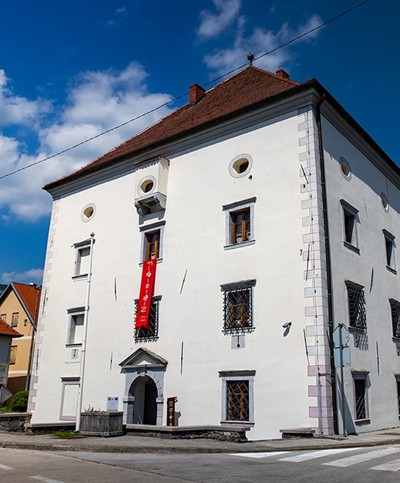
The Zrinski castle in Brod na Kupi was built in 1651 by Petar Zrinski on the foundations of an older Frankopan castle with the aim of strengthening the defense of the Kupa valley against Ottoman incursions. Located in an exceptionally important position at the intersection of routes toward the Croatian Littoral Slovenia and the Kupa region the castle had both strategic and transport importance.
It is a massive stone rectangular building with a ground floor and several levels a hipped roof and a prominent monumental late Renaissance portal. Its defensive function is confirmed by loopholes on all facades and a bretesche a special defensive element at the top from which stones hot oil or other weapons could be thrown at attackers. Particularly interesting are three secret underground passages intended for escape. According to tradition their exits were located in the center of the parish church on the banks of the Kupa and in the Vučja jama cave. Next to the castle the Church of Saint Mary Magdalene was built in 1670.
Severin na Kupi through history legends and life by the river
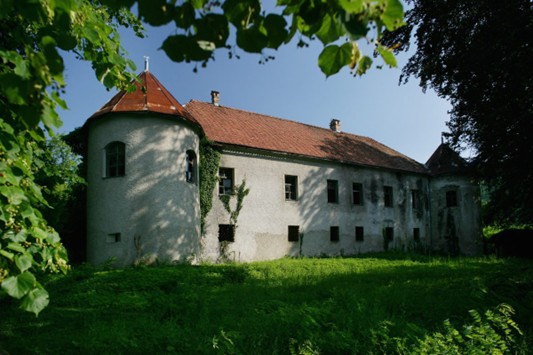
Severin Castle is located above the steep bank of the Kupa River and is first mentioned in 1558 as a stone fortress with a large tower. It was built by the Frankopan family and is interesting because it is the only castle in Gorski Kotar that after its association with the Zrinski returned to the ownership of the Frankopan family.
The castle received its present appearance after renovation in 1803 but retained the features of an older defensive structure. It is a one story building with a rectangular ground plan an inner courtyard arcaded columns and cylindrical towers at the corners giving it a distinctive and harmonious appearance.
Within the complex there is also the Chapel of Saint Florian smaller in size and additional value is given by the park which is protected as a monument of landscape architecture as well as the beautiful view of the Kupa River.
This place is also known for the event Severin Evening which is held every year on the first Saturday in September and represents a manifestation based on the revival of a historical event from the rich past of Severin.
At the center of the program is the interpretation of a historical story connected with the Zrinski Frankopan castle. The uniqueness of this event is further highlighted by local gastronomic specialties made from grapevine traditional homemade cakes and Miholje customs which together with the hospitality of the hosts create an authentic experience.
Although you cannot stay in the castles of the Zrinski we have an equally good alternative Follow the paths of this noble family and after learning about their lives visiting their estates and castles in just a few clicks book a continental holiday on the Destination Green Croatia platform.